


Tüm
YAYINLAR
Assessing the Cyanex 272 and Binary Extractants for the Separation of Praseodymium and Neodymium in Extraction of Eskişehir – Beylikova Rare Earth Ores
22nd International Metallurgy & Materials Congress
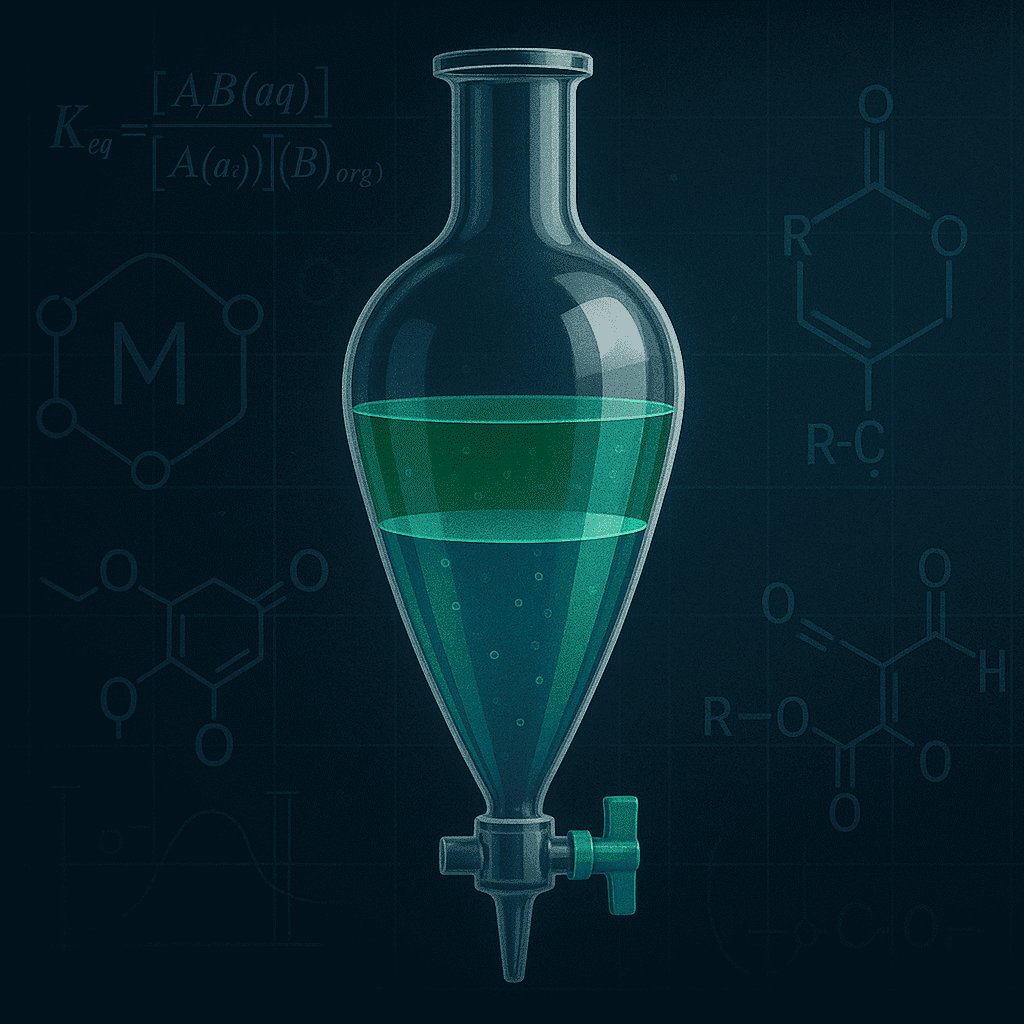
Rare earth elements (REEs) are essential in various industrial
applications due to their high magnetic susceptibility, low
density, and thermal stability. Praseodymium is used in
producing yellow pigments for glass and ceramics, while
Neodymium is crucial in producing powerful permanent
magnets and laser applications. Technological advancements
have driven the demand for Pr and Nd and increased the need
for a reliable supply chain. The primary sources of Pr and Nd
are minerals like monazite, bastnasite, and xenotime, which
require complex separation processes due to their mixed
contents. The main secondary sources include electronic
waste, particularly from permanent magnets.
Selective Separation of Samarium from Light Rare Earth Elements via Ph-Controlled Solvent Extraction
22nd International Metallurgy & Materials Congress
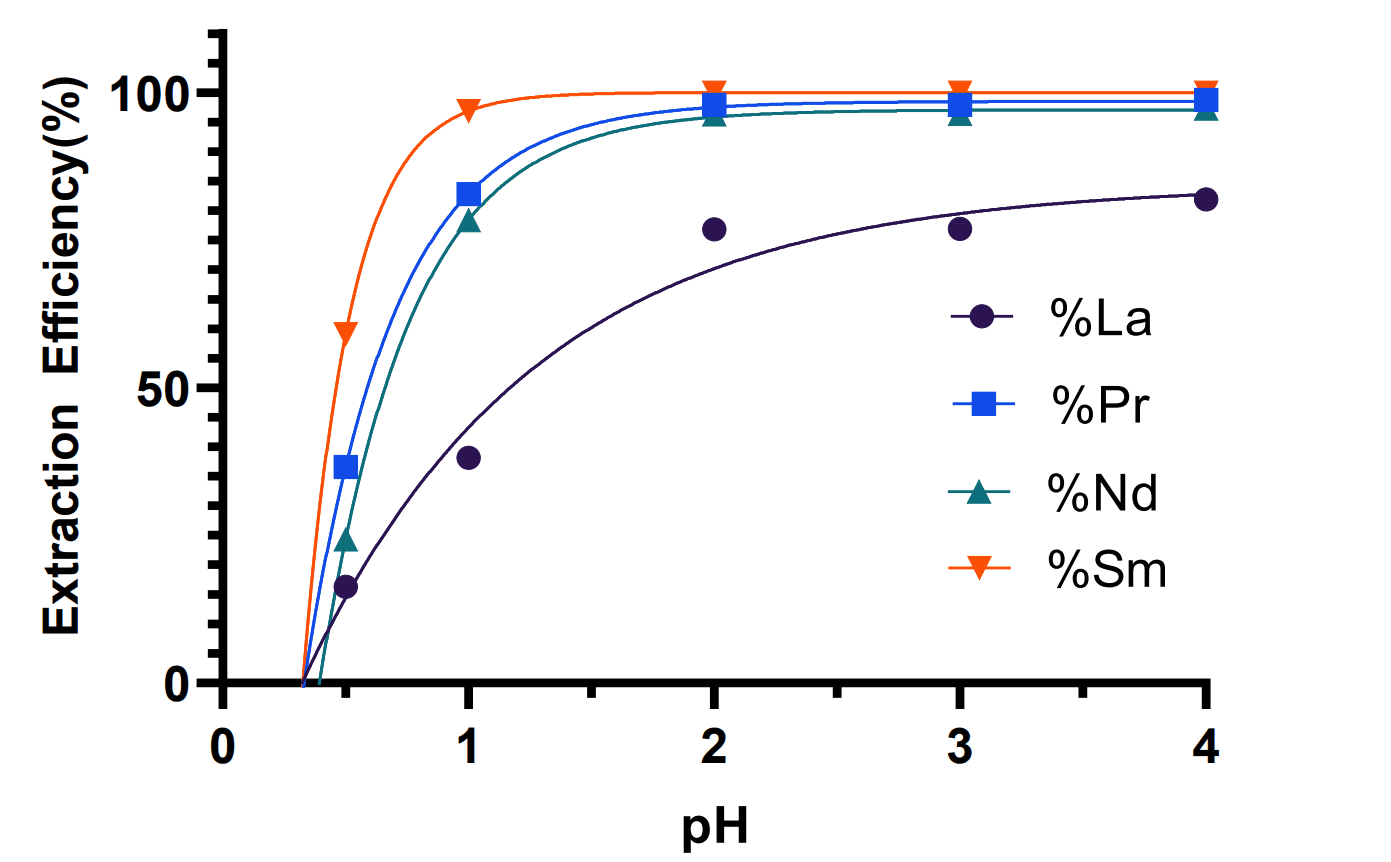
Rare Earth Elements (REEs) are essential for advanced technologies due to their unique properties. This study presents a pHcontrolled solvent extraction method to separate Samarium (Sm) from light REEs simulating Beylikova REE leaching liquid. The process, utilizing 0.75 M DEHPA in kerosene, showed that Sm achieved a 59% extraction efficiency at pH 0.5, significantly higher than La, Pr, and Nd. This pH optimization enhances the sustainability and efficiency of REE extraction, promoting the effective utilization of Turkey's REE resources and domestic technologies.
Selective Separatıion of Lanthanum Using Dehpa: Investigating The Potential of Extractıing Rare Earth Elements From Eskişehir Beylikova Ores
22nd International Metallurgy & Materials Congress
Rare Earth Elements (REEs) are essential components of
advanced technology applications such as renewable energy,
electronics, and defense. Their unique magnetic, catalytic, and
luminescent properties render them essential for the
development of high-performance materials. However,
efficient and selective separation of individual REEs is a
significant challenge owing to their chemical and physical
similarities. This study focuses on the selective separation of
lanthanum (La) from complex mixtures of REEs as it is crucial
for the sustainable extraction of Eskişehir Beylikova Rare
Earth Ore
The Effects of Particle Size on the Microstructural Properties of YSZ 50% wt–LZ 50wt% Composite Thermal Barrier Coating
18th International Metallurgy & Materials Congress
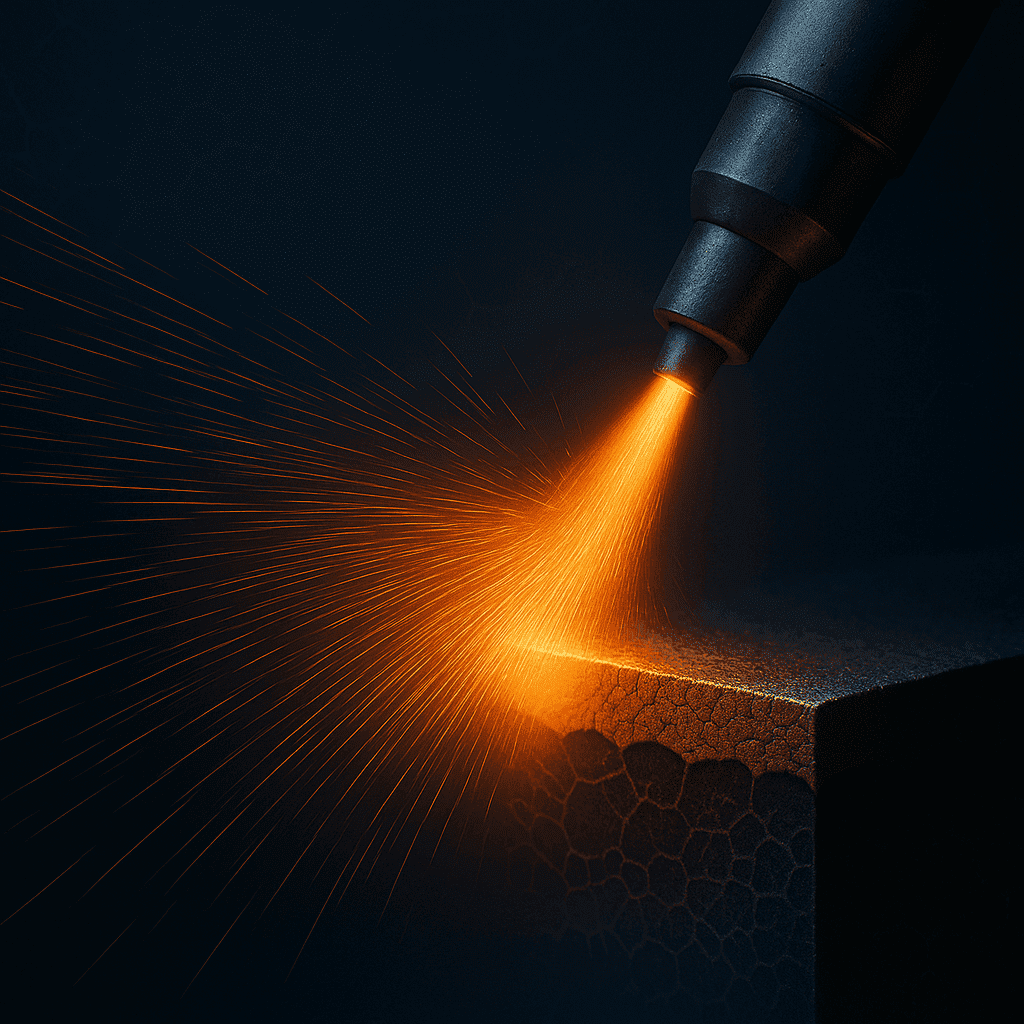
Thermal barrier coatings (TBC), are used to protect the base material against elevated temperature and other environmental impacts in the high-temperature applications such as gas turbine blades. The microstructure design of thermal barrier coatings directly affects the coating properties. In the microstructure of TBC; cracks, gaps, semi–melted phases are valid. Microstructural differences occur in the variation of the process parameters. Spray distance, powder particle size, feed angle and rate, base material type and temperature are the effective parameters of microstructural differences. In this study, the thermal barrier coating material used as yttria stabilized zirconia (YSZ); examined in three classes according to their particle size as finer, medium and coarse, respectively. Other process parameters are kept constant. Also commercial YSZ (Sulzer AMDRY 6643) is used as reference in the study for comparison. YSZ is stirred with 50 wt% Lanthanum zirconate (LZ). Mixed powders are coated on stainless steel with Atmospheric Plasma Spray (APS) method using 9MB plasma gun. The effects of different powder particle size on the porosit, and surface roughness are investigated with The Scanning Electron Microscopy (SEM) analyses.
Eco-Friendly Leaching of Spent Lithium-Ion Battery Black Mass Using a Ternary Deep Eutectic Solvent System Based on Choline Chloride, Glycolic Acid, and Ascorbic Acid
Minerals
Lithium-ion batteries (LiBs) are utilized in numerous applications due to advancements in technology, and the recovery of end-of-life (EoL) LiBs is imperative for environmental and economic reasons. Pyrometallurgical and hydrometallurgical methods have been used in the recovery of metals such as Li, Co, and Ni in the EoL LiBs. Hydrometallurgical methods, which have been demonstrated to exhibit higher recovery efficiency and reduced energy consumption, have garnered increased attention in recent research.
Assessing the Cyanex 272 and Binary Extractants for the Separation of Praseodymium and Neodymium in Extraction of Eskişehir – Beylikova Rare Earth Ores
22nd International Metallurgy & Materials Congress
Rare earth elements (REEs) are essential in various industrial
applications due to their high magnetic susceptibility, low
density, and thermal stability. Praseodymium is used in
producing yellow pigments for glass and ceramics, while
Neodymium is crucial in producing powerful permanent
magnets and laser applications. Technological advancements
have driven the demand for Pr and Nd and increased the need
for a reliable supply chain. The primary sources of Pr and Nd
are minerals like monazite, bastnasite, and xenotime, which
require complex separation processes due to their mixed
contents. The main secondary sources include electronic
waste, particularly from permanent magnets.
Selective Separation of Samarium from Light Rare Earth Elements via Ph-Controlled Solvent Extraction
22nd International Metallurgy & Materials Congress
Rare Earth Elements (REEs) are essential for advanced technologies due to their unique properties. This study presents a pHcontrolled solvent extraction method to separate Samarium (Sm) from light REEs simulating Beylikova REE leaching liquid. The process, utilizing 0.75 M DEHPA in kerosene, showed that Sm achieved a 59% extraction efficiency at pH 0.5, significantly higher than La, Pr, and Nd. This pH optimization enhances the sustainability and efficiency of REE extraction, promoting the effective utilization of Turkey's REE resources and domestic technologies.
Selective Separatıion of Lanthanum Using Dehpa: Investigating The Potential of Extractıing Rare Earth Elements From Eskişehir Beylikova Ores
22nd International Metallurgy & Materials Congress
Rare Earth Elements (REEs) are essential components of
advanced technology applications such as renewable energy,
electronics, and defense. Their unique magnetic, catalytic, and
luminescent properties render them essential for the
development of high-performance materials. However,
efficient and selective separation of individual REEs is a
significant challenge owing to their chemical and physical
similarities. This study focuses on the selective separation of
lanthanum (La) from complex mixtures of REEs as it is crucial
for the sustainable extraction of Eskişehir Beylikova Rare
Earth Ore
The Effects of Particle Size on the Microstructural Properties of YSZ 50% wt–LZ 50wt% Composite Thermal Barrier Coating
18th International Metallurgy & Materials Congress
Thermal barrier coatings (TBC), are used to protect the base material against elevated temperature and other environmental impacts in the high-temperature applications such as gas turbine blades. The microstructure design of thermal barrier coatings directly affects the coating properties. In the microstructure of TBC; cracks, gaps, semi–melted phases are valid. Microstructural differences occur in the variation of the process parameters. Spray distance, powder particle size, feed angle and rate, base material type and temperature are the effective parameters of microstructural differences. In this study, the thermal barrier coating material used as yttria stabilized zirconia (YSZ); examined in three classes according to their particle size as finer, medium and coarse, respectively. Other process parameters are kept constant. Also commercial YSZ (Sulzer AMDRY 6643) is used as reference in the study for comparison. YSZ is stirred with 50 wt% Lanthanum zirconate (LZ). Mixed powders are coated on stainless steel with Atmospheric Plasma Spray (APS) method using 9MB plasma gun. The effects of different powder particle size on the porosit, and surface roughness are investigated with The Scanning Electron Microscopy (SEM) analyses.
Eco-Friendly Leaching of Spent Lithium-Ion Battery Black Mass Using a Ternary Deep Eutectic Solvent System Based on Choline Chloride, Glycolic Acid, and Ascorbic Acid
Minerals
Lithium-ion batteries (LiBs) are utilized in numerous applications due to advancements in technology, and the recovery of end-of-life (EoL) LiBs is imperative for environmental and economic reasons. Pyrometallurgical and hydrometallurgical methods have been used in the recovery of metals such as Li, Co, and Ni in the EoL LiBs. Hydrometallurgical methods, which have been demonstrated to exhibit higher recovery efficiency and reduced energy consumption, have garnered increased attention in recent research.